With over a century of industry expertise, the client provided innovative market research, consumer behavior analysis, and media measurement services worldwide. By leveraging advanced data analytics, they help global businesses understand consumer preferences, purchasing patterns, and media consumption habits. Their data-driven solutions enable clients to optimize marketing strategies and improve advertising effectiveness through a real-time monitoring system that tracks panelists across Digital, Broadcast Audio, and Broadcast Video platforms.
Having pioneered the tracking of broadcast statistics, the company expanded over the years to include video and digital monitoring. Despite this growth, their data collection methods did not evolve at the same pace, resulting in three fragmented verticals: Audio, Video, and Digital. Each vertical developed its own metrics and indicators, creating a critical need for a unified approach. My role was to synchronize these disjointed systems into a single, cohesive ecosystem that could handle the complexities of modern, cross-platform media measurement.
During the application design phase, I created high-fidelity wireframes based on detailed user flows to emphasize structural clarity and practical functionality. By mapping out every possible user path, I ensured that the interface remained intuitive even when handling complex data-entry tasks. This systematic approach allowed me to translate abstract requirements into tangible layouts that prioritized the user's cognitive load. I maintained a strong focus on task-based navigation, ensuring that the primary actions for each user role were always prominent and accessible.
To refine these concepts, I adopted an iterative design approach that incorporated continuous usability testing and rapid user feedback loops. This process allowed me to validate my design assumptions in real time and make data-driven adjustments before moving into the final development stage. By testing prototypes with actual stakeholders, I ensured the final designs met user expectations and improved the overall digital experience. This commitment to iteration guaranteed a polished and efficient product that balanced technical constraints with human-centered needs.
One of the primary challenges I faced during this project was balancing the rigid data integrity requirements of a global research firm with the need for a seamless user experience. Because the application handled sensitive panelist data and proprietary metrics, every design decision had to be vetted against strict privacy and compliance standards. I navigated these constraints by collaborating closely with the data science and legal teams from the earliest stages, ensuring that encryption protocols and data masking didn’t obstruct the user’s workflow. This proactive communication ensured that our innovative features remained compliant without sacrificing an intuitive interface, creating a secure yet frictionless environment for data entry and analysis.
Additionally, I managed the complexities of integrating the new digital platform with the company’s existing legacy backend infrastructure. Since the old systems were not originally designed for synchronized, real-time interaction across three different media verticals, I worked alongside the engineering team to map efficient and reliable data flows that could handle massive concurrent datasets. By prioritizing technical feasibility during the prototyping phase, I successfully mitigated potential performance issues, such as latency in real-time reporting, before they reached production.
Overcoming these hurdles required consistent technical leadership and a deep understanding of system architecture to ensure a stable and high-performing product. I facilitated weekly technical syncs to bridge the gap between aesthetic goals and backend limitations, ensuring that every UI component was backed by a sustainable data structure. This rigorous approach transformed significant technical debt into a robust, scalable foundation capable of supporting the firm’s global measurement demands for years to come.
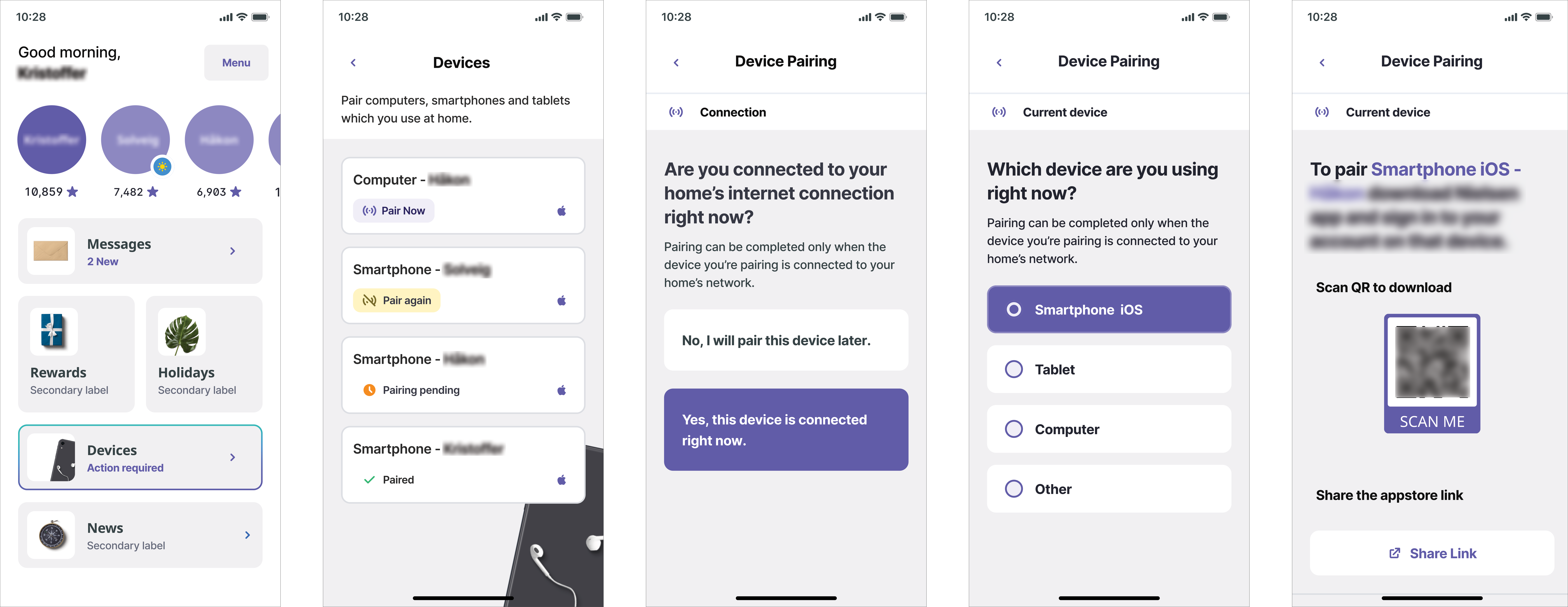
Screen design for service mapping application for hand held devices
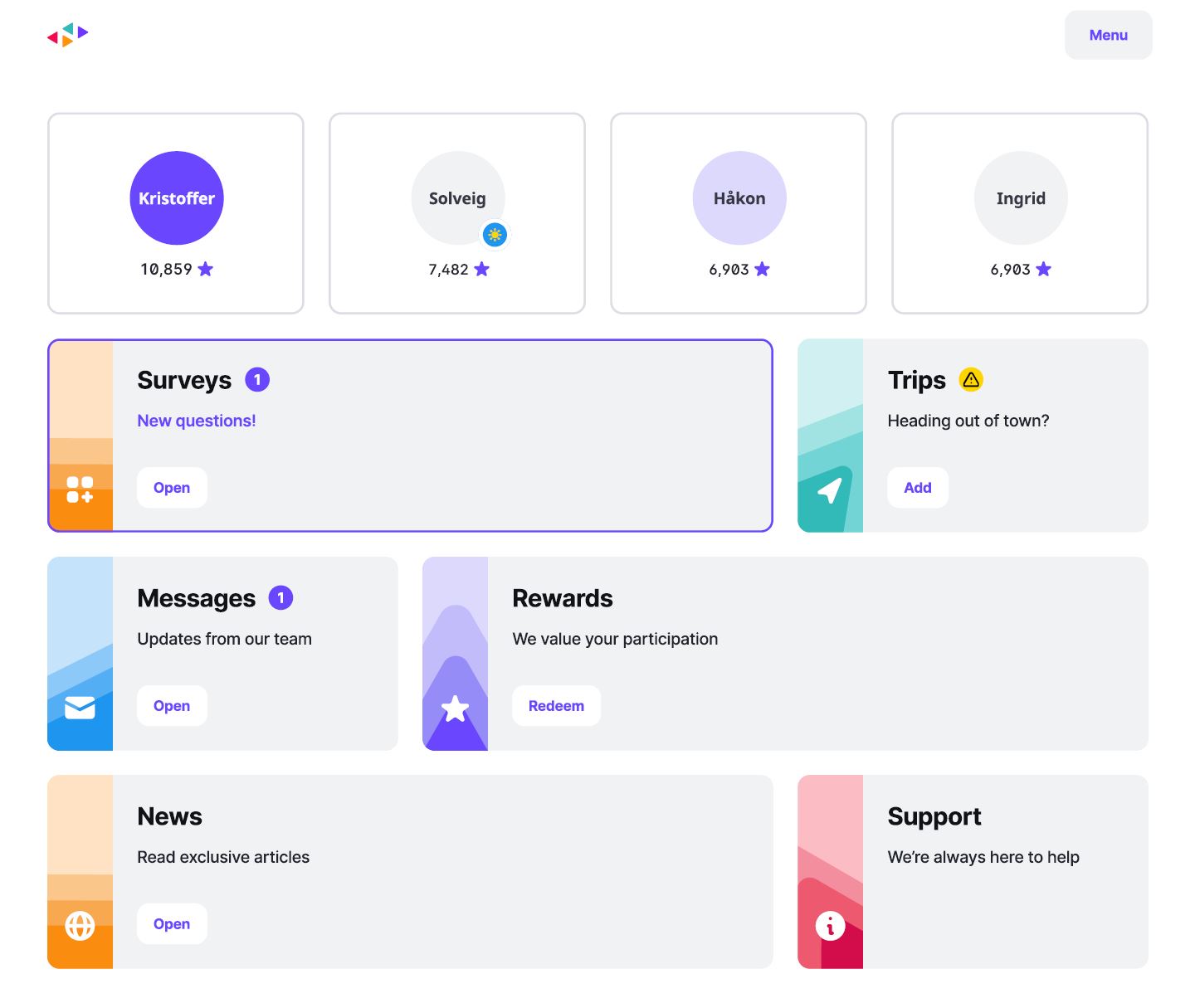
Screen design for desktop and tablet home page menu
Technical Stack: Tools and Methodologies
To deliver this high-performance ecosystem, I utilized a professional suite of design and project management tools that facilitated collaboration across the entire team. I relied on Figma for high-fidelity prototyping and interactive mockups, which allowed me to share real-To deliver this high-performance ecosystem, I utilized a professional suite of design and project management tools that facilitated collaboration across the entire team. I relied on Figma for high-fidelity prototyping and interactive mockups, which allowed me to share real-time updates with stakeholders and gather immediate feedback. For information architecture and user flow mapping, I used Miro to create a visual source of truth that all departments could follow. These tools were essential for maintaining a high level of precision and consistency throughout the design lifecycle.
Beyond the software, I implemented a robust Agile methodology to coordinate with the development team through structured sprint planning and Jira tracking. This ensured that our design deliverables were perfectly aligned with the technical roadmap and that every feature was built to exact specifications. By utilizing a comprehensive Design System, I maintained visual harmony across the mobile and desktop interfaces, which streamlined the handoff process and reduced development time. This disciplined technical approach ensured that the project was delivered on schedule while meeting the highest quality standards.
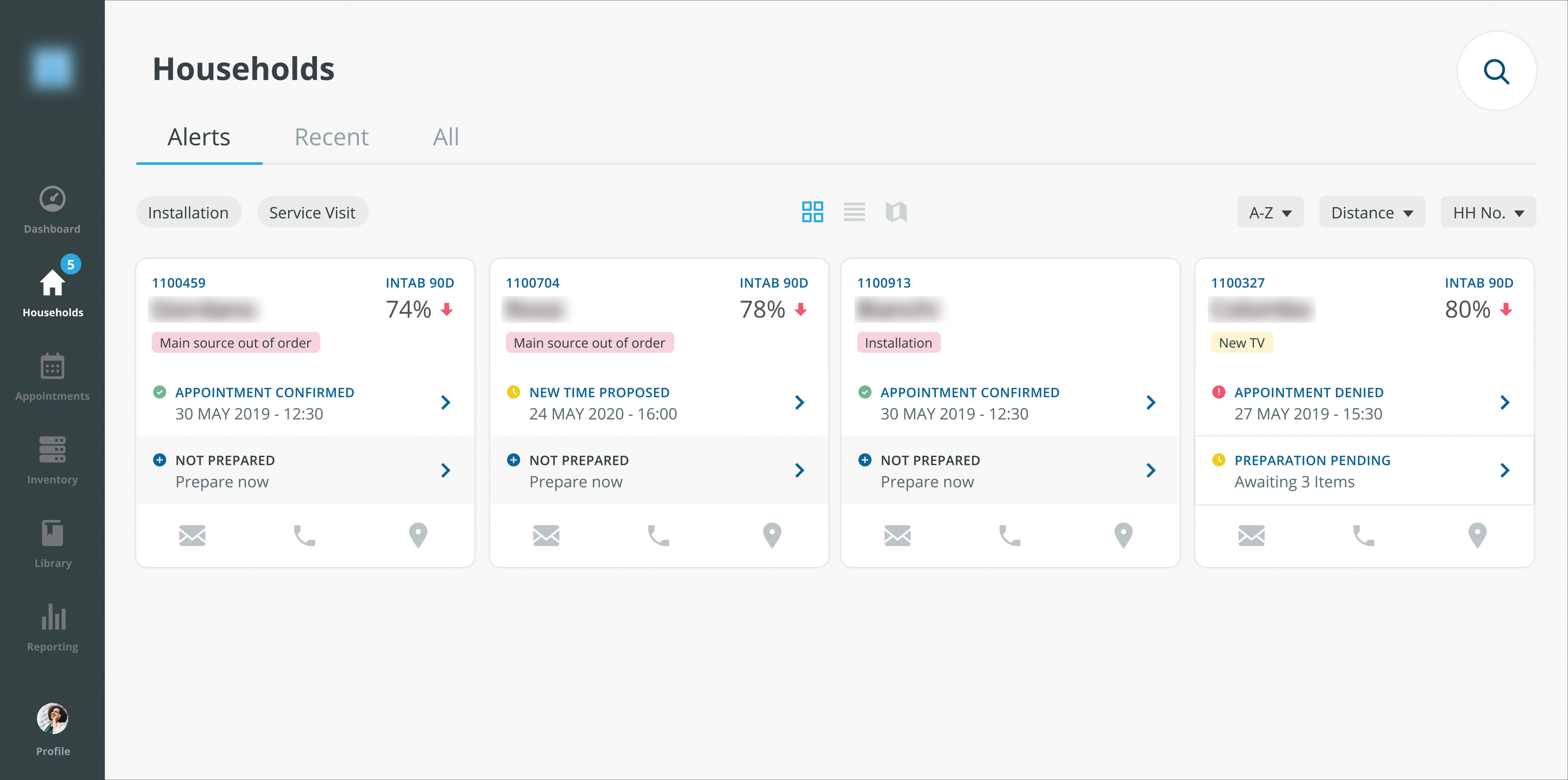
Screen design for service mapping application
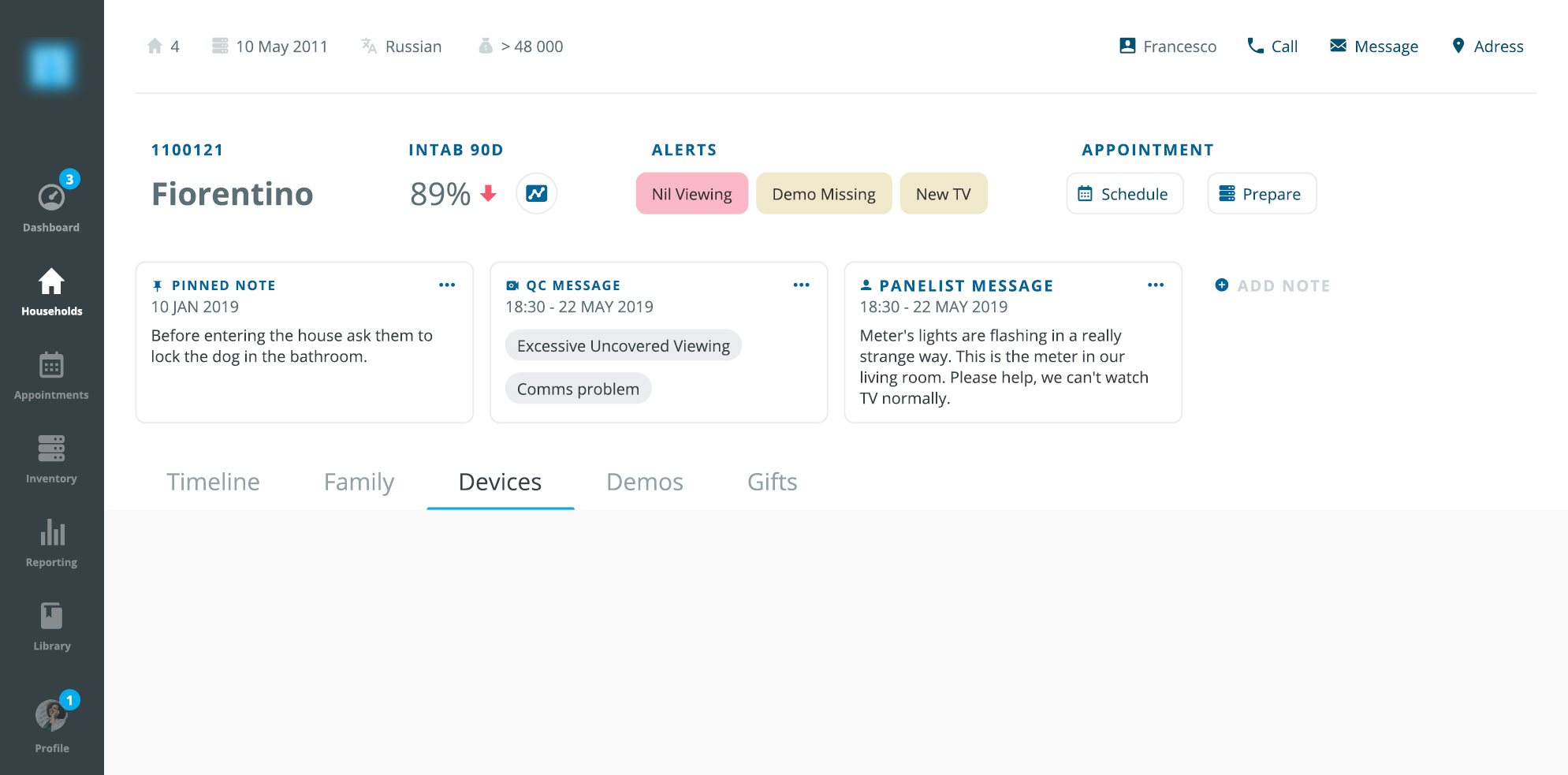
Screen design for service mapping application
This project delivered a comprehensive suite of applications that streamlined operations and improved usability while significantly reducing maintenance and training time. By standardizing the digital environment, I provided the team with a more efficient toolset that eliminated redundant tasks and simplified the onboarding process for new staff and panelists alike. The transition from fragmented verticals to a synchronized system allowed the organization to process data more accurately, providing clients with faster and more reliable market insights. Through my expertise in UX research, prototyping, and interaction design, I helped the company achieve a cohesive, human-centered digital ecosystem. This strategic approach ensured that every interface was built with a measurable operational impact, resulting in a seamless experience that balanced complex technical requirements with intuitive user needs. The final product stands as a testament to how design can bridge legacy gaps, turning decades of industry growth into a modern, unified platform ready for future innovation.
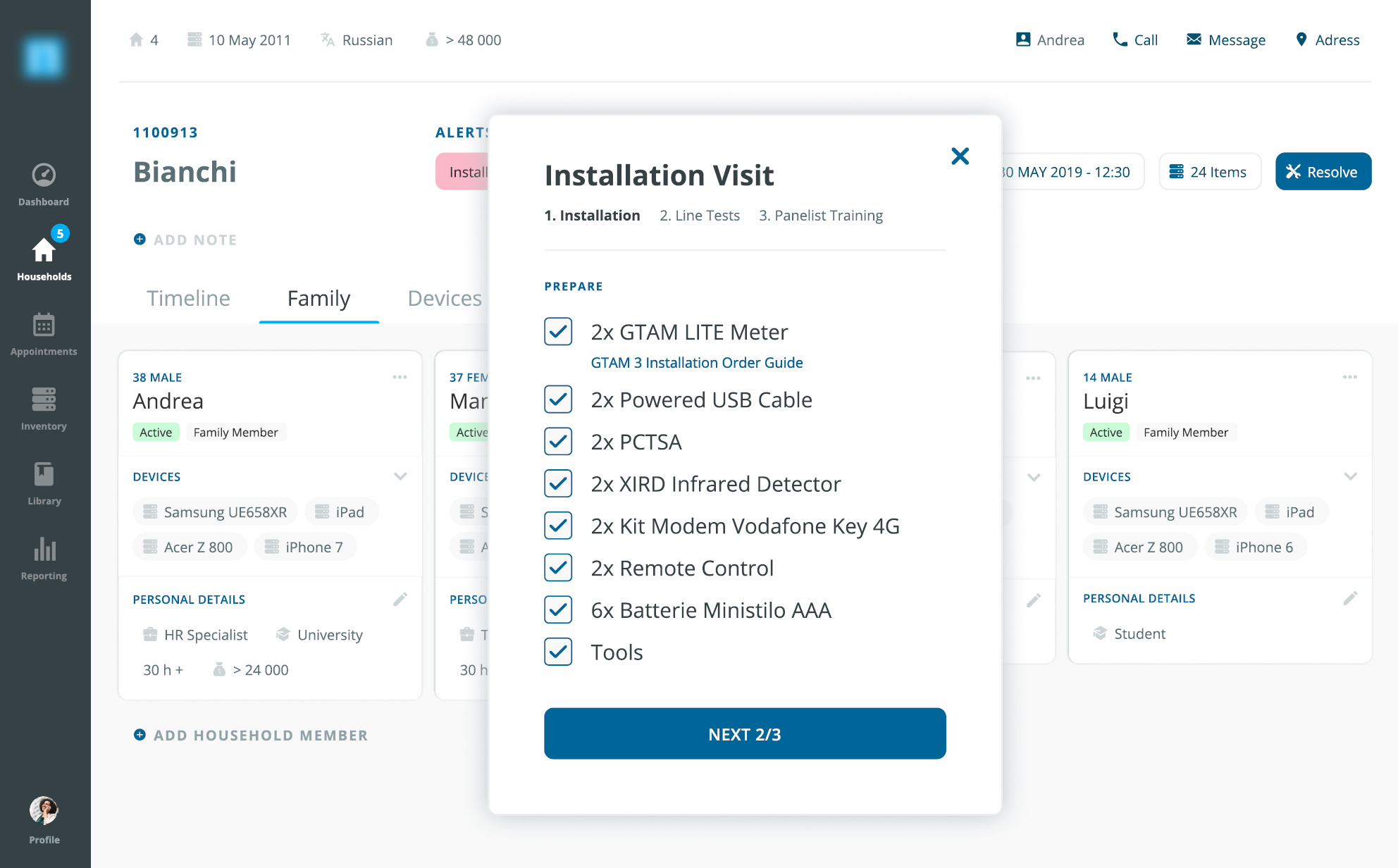
Screen design for service mapping application